How MSME Handicraft Businesses Can Start Selling Online Successfully

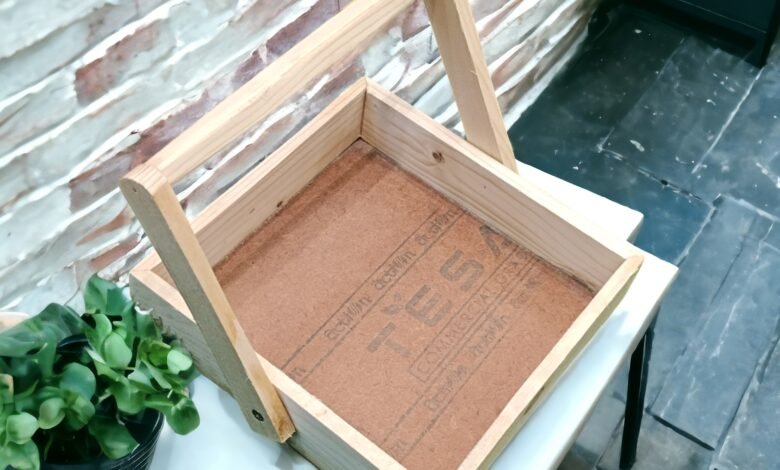
India’s handicraft industry is one of the largest employment generators after agriculture, supporting millions of artisans across rural and semi-urban regions. With rising global demand for authentic, handmade, and sustainable products, selling handicrafts online has become a powerful growth opportunity for MSMEs.
This guide explains step-by-step how handicraft MSMEs can start selling online, choose the right platforms, price products profitably, and scale sustainably.
1. Why Online Selling is a Game-Changer for Handicraft MSMEs
Traditional handicraft businesses depend heavily on:
- Local markets
- Exhibitions & fairs
- Middlemen
- Seasonal demand
Online selling helps MSMEs:
- Reach pan-India and global buyers
- Get better margins by reducing intermediaries
- Sell year-round, not just during fairs
- Build a direct brand identity
- Tell their craft story, which increases perceived value
Today’s customers actively look for:
- Handmade products
- Ethical & sustainable sourcing
- Unique designs with cultural heritage
Handicrafts fit perfectly into this demand.
2. Legal & Basic Setup for Handicraft MSMEs
Before selling online, ensure these basics are in place:
a. Business & MSME Registration
- PAN Card (business or individual)
- Current bank account
- Udyam (MSME) Registration – highly recommended
- Helps with loans, subsidies, export benefits, and marketplace trust
b. GST Registration
- Required if:
- Selling on most marketplaces
- Selling inter-state
- Exporting handicrafts
- Many handicraft items fall under lower GST slabs, improving price competitiveness
3. Choose the Right Online Selling Channels
A. Marketplaces (Best for Beginners)
Ideal platforms for handicrafts:
- Amazon (Handmade / General)
- Flipkart
- Meesho (domestic mass market)
- Etsy (excellent for exports & premium crafts)
- Government portals (GeM, Tribes India, etc.)
Advantages
- Ready customer base
- Logistics & payments handled
- Faster onboarding
- Trust factor for new brands
Tip:
Start with 1–2 platforms, learn what sells best, then expand.
B. Own Website (For Brand Building)
Platforms like:
- Shopify
- WooCommerce
- Wix
Best when you want:
- Full control over branding
- Better margins
- Direct customer data
- Long-term sustainability
Best approach:
👉 Start on marketplaces → build your own website alongside
4. Selecting the Right Handicraft Products to Sell Online
Not every handicraft sells equally well online.
High-Demand Online Handicraft Categories
- Home décor (wall hangings, lamps, planters)
- Wooden & metal crafts
- Handmade candles & incense holders
- Terracotta & pottery items
- Textile crafts (block print, embroidery)
- Eco-friendly gifts
- Spiritual & cultural décor
Product Selection Tips
- Prefer lightweight & non-fragile items initially
- Ensure consistent quality
- Focus on repeat-buy or gifting potential
- Avoid extremely large or highly breakable items at the start
5. Pricing Handicraft Products Correctly
Handicraft pricing is where many MSMEs struggle.
Cost Components to Include
- Raw material
- Artisan wages
- Packaging
- Logistics
- Marketplace commission
- GST
- Marketing cost
- Your profit margin
Pricing Strategy
- Don’t underprice handmade products
- Educate customers through descriptions
- Use value-based pricing, not mass-product pricing
- Create premium, standard, and combo variants
💡 Customers pay more when they understand the story and effort behind the product.
6. Creating High-Converting Handicraft Listings
A. Product Images (Most Important)
- Natural light photos
- Multiple angles
- Lifestyle shots (product in use)
- Close-ups showing craftsmanship
- Clean background
B. Product Titles (SEO Friendly)
Example:
Handmade Terracotta Table Lamp | Eco-Friendly Home Décor | Traditional Indian Handicraft
C. Product Descriptions That Sell
Include:
- Craft origin (region, artisan community)
- Materials used
- Handmade process
- Cultural significance
- Care instructions
- Ideal use (home décor, gifting, festivals)
Storytelling = higher conversions.
7. Packaging & Logistics for Handicrafts
Packaging Tips
- Strong inner protection (especially for fragile items)
- Eco-friendly packaging adds value
- Branding inserts (thank-you cards, artisan story)
- Clear fragile labeling
Logistics Options
- Marketplace logistics (recommended initially)
- Third-party courier partners
- Export shipping partners (for Etsy & international)
8. Marketing Handicrafts Online (Low Budget, High Impact)
A. Social Media Marketing
Best platforms:
- Pinterest (very strong for handicrafts)
- WhatsApp Business
Content ideas:
- Making-of videos
- Artisan stories
- Before-after transformations
- Festive décor ideas
- Customer reviews
B. Festivals & Gifting Seasons
Major sales opportunities:
- Diwali
- Raksha Bandhan
- Christmas
- Weddings
- Corporate gifting
Plan inventory 2–3 months in advance.
9. Export Opportunities for Handicraft MSMEs
Indian handicrafts are highly demanded globally.
To export:
- IEC (Import Export Code)
- GST registration
- Export-friendly packaging
- Platforms like Etsy, Amazon Global
Government support schemes & export handbooks specifically support handicraft MSMEs.
10. Common Mistakes to Avoid
- Underpricing handmade products
- Poor quality photos
- No brand story
- Ignoring packaging
- Selling everything instead of focusing on best sellers
- No inventory planning during peak seasons
Conclusion
For MSME handicraft businesses, online selling is not just a sales channel — it is a path to sustainability, fair artisan income, and global reach.
With the right product selection, storytelling, pricing, and platforms, even small handicraft units can build profitable online brands.
Handmade has value.
Online gives it visibility. 🌍✨
